
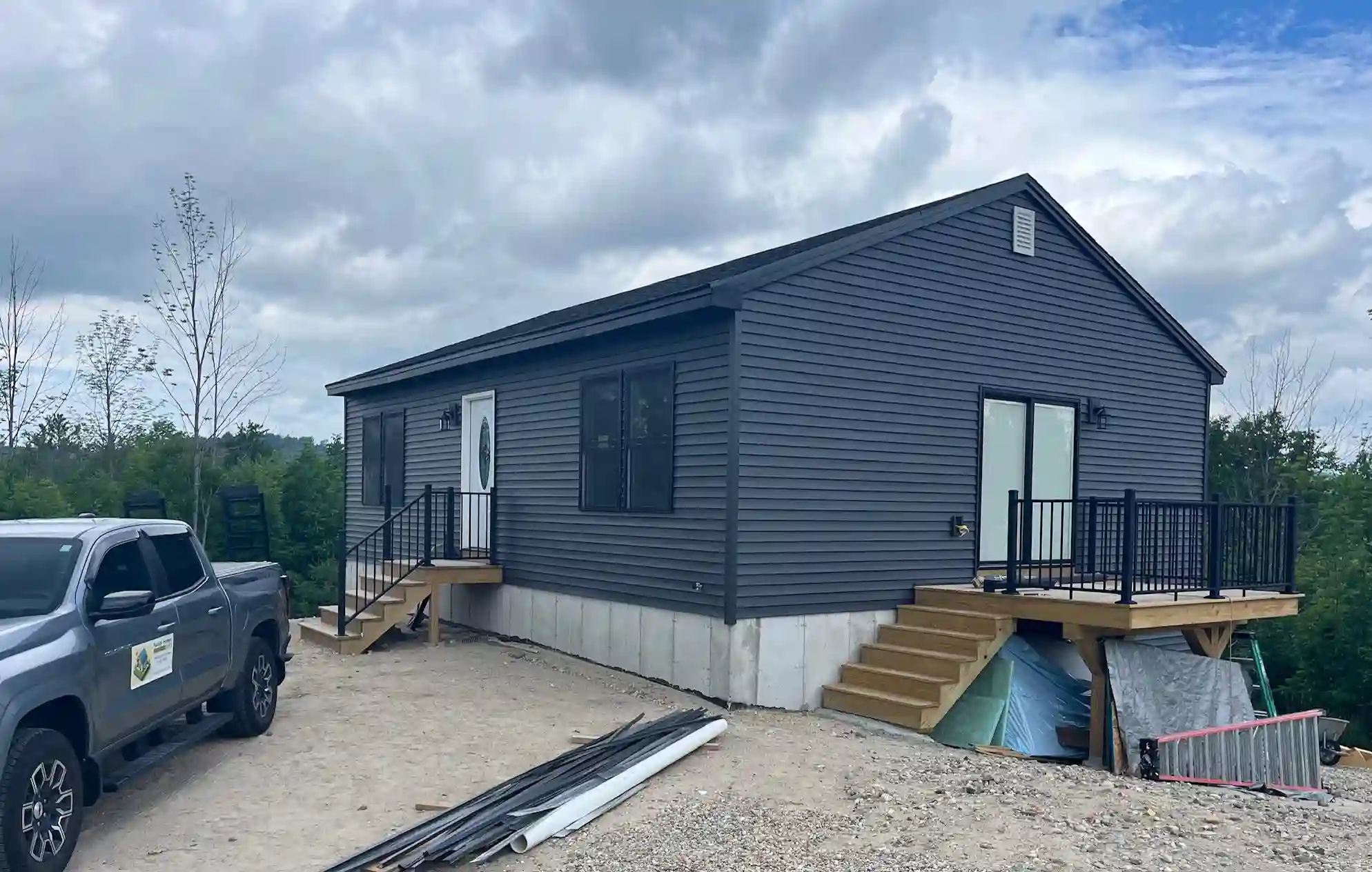
Choosing a tiny home involves more than deciding on size or layout. One of the most important decisions buyers face is whether to build a tiny home on wheels or construct a site-built tiny home on a permanent foundation. While both options offer efficient living and smart design, they differ significantly in zoning, mobility, financing, and long-term use.
For buyers interested in custom tiny homes, understanding these differences early helps ensure the final build aligns with long-term goals rather than short-term limitations.
Why Tiny Homes Are Built on Wheels or on a Foundation
Tiny homes generally fall into two categories. Tiny homes on wheels are built on a trailer, allowing them to be moved when needed. Site-built tiny homes are constructed on a permanent foundation and regulated more like traditional residential homes.
When designing custom tiny homes, this structural decision influences everything from layout flexibility to permitting and future use.
Zoning and Mobility Differences
Mobility is one of the biggest advantages of tiny homes on wheels. Because they are often classified as movable structures, they may be placed in locations where permanent residential construction is restricted. This flexibility appeals to homeowners who value the option to relocate or who are navigating evolving zoning regulations.
Site-built tiny homes must comply with local zoning and building codes. While this can involve additional upfront planning, it often results in fewer limitations once the home is approved and placed. For custom tiny homes intended as long-term residences, zoning clarity is especially important.
Foundation vs. Trailer: Structural Pros and Cons
The structural base of a tiny home plays a major role in comfort, durability, and design flexibility.
Tiny homes on wheels rely on a trailer for support. This allows for transport but introduces size and weight limits that influence layout, materials, and ceiling height. Designs must account for road safety and towing requirements.
Site-built tiny homes rest on permanent foundations, allowing for greater insulation, more design freedom, and layouts optimized for long-term living. These advantages often make foundations the preferred option for fully custom tiny homes.
Tiny Homes on Wheels: When Mobility Is the Priority
For many buyers exploring tiny homes on wheels, mobility is the primary benefit. These homes work well for seasonal living, transitional housing, or situations where long-term placement is uncertain.
Buyers searching for a tiny house on wheels for sale or micro homes on wheels for sale are often looking for flexibility, especially when zoning or land ownership may change over time.
The Role of the Tiny House Trailer
A tiny house trailer forms the foundation of any mobile tiny home. While trailers enable movement, they also impose limits on width, height, and overall weight. These constraints influence design choices and require careful planning to balance comfort with transport safety.
Custom tiny homes built on trailers benefit most from thoughtful layouts that maximize usable space while respecting structural and legal limits.
Site-Built Tiny Homes: When Permanence Matters
Site-built tiny homes are designed for long-term placement and use. They are often chosen for primary residences, accessory dwelling units, guest houses, or long-term rental properties.
Because these homes follow residential building codes, they are typically easier to insure and may qualify for more traditional financing options. This makes site-built structures a strong choice for homeowners planning custom tiny homes intended for permanent living.
Financing and Permitting Considerations
Financing and permitting differ significantly between mobile and site-built tiny homes.
Tiny homes on wheels are often financed through personal loans or RV-style financing, which can limit options. Insurance availability may also vary.
Site-built tiny homes generally qualify for residential permitting and may access standard construction or mortgage financing, depending on local regulations. For custom tiny homes, this often provides more stability and clarity over time.
Ideal Use Cases for Each Option
Tiny homes on wheels are best suited for homeowners who prioritize flexibility, mobility, or temporary placement. They are commonly used for seasonal living, transitional housing, or situations where zoning limits permanent construction.
Site-built tiny homes are better suited for permanent residences, long-term rentals, guest houses, or accessory dwelling units where stability, customization, and long-term use are the priority.
Which Option Is Right for You?
There is no universal answer. The right choice depends on how the home will be used, where it will be located, and how long it is intended to remain in place.
At Future Homes USA, we work with homeowners to plan custom tiny homes that align with real-world zoning rules, financing options, and lifestyle needs. If you would like to discuss whether a tiny home on wheels or a site-built option makes the most sense for your land, lifestyle, or budget, you can reach our team at CONTACT US
